There’s a moment every traveler to Puerto Escondido eventually reaches — standing inside a stall at the Mercado Benito Juárez, a bag of smoky dried chiles in one hand and a wedge of fresh quesillo in the other, realizing the best meal of the trip isn’t going to happen at a restaurant. It’s going to happen back at the rental kitchen. Cooking with Oaxacan coast ingredients is one of those experiences that quietly becomes the highlight of a whole trip, and if you’ve secured a vacation rental with a proper kitchen, you’re already holding the golden ticket to an entirely different kind of travel.
Puerto Escondido sits at a rare culinary crossroads. It’s a Pacific coast surf town with the full weight of Oaxacan highland food culture behind it — moles with thirty-plus ingredients, tortillas pressed and griddled fresh every morning, seafood pulled from the same water you swam in at dawn. The ingredients available at local markets here are extraordinary by any global standard, and they cost a fraction of what you’d pay for inferior versions back home. This guide walks you through exactly where to shop, what to buy, how to use it, and why having a kitchen in your rental transforms the whole experience. If you’re still choosing between a hotel room and a vacation rental, this comparison of hotels versus vacation rentals in Puerto Escondido makes the case clearly.
Rent Your Property with Vacation Puerto Escondido
Join our platform for direct bookings, no commission fees, and secure transactions.
Find your perfect beachfront escape or list your property with verified hosts and transparent pricing.
The Markets of Puerto Escondido: Your Pantry Starts Here
Before a single burner gets turned on, you need to understand the market landscape of Puerto Escondido, because the quality and variety of what you’ll find here genuinely shapes what you’re able to cook. Fortunately, the town is well served by several distinct market spaces, each with its own personality and specialty.
Mercado Benito Juárez — The Heart of Everything
The Mercado Benito Juárez, located in the upper town (Centro) on Calle Octava Norte, is the one market that should be on every cooking traveler’s itinerary. Open daily from roughly 6 AM to 7 PM, this is Puerto Escondido’s primary municipal market and has operated in some form for over four decades. It operates across two adjacent corrugated-roof buildings and covers an astonishing range — fresh fruits and vegetables arranged in vivid color pyramids, hanging cuts of beef, pork, goat, turkey, and chicken displayed as they always have been here, fresh seafood, dried chiles of every variety, Oaxacan chocolate, artisanal cheeses, prepared food stalls, and an entire bakery section that produces some of the most honest pan tres leches you’ll ever eat.
Arriving before 10 AM is the move. That’s when produce vendors are fully stocked and the atmosphere is at its most alive — locals doing their daily shopping, the grinding sound of nixtamal corn being processed into fresh masa, the smell of café de olla mixing with woodsmoke from the comedor grills. Many vendors have been here for decades and are genuinely happy to advise visitors on what’s seasonal, how to prepare unfamiliar ingredients, and which varieties of chiles suit different dishes. Don’t rush this visit. It’s as much an education as it is a grocery run.
What you’ll find most relevant for rental kitchen cooking: dried chiles (pasilla negro, ancho, mulato, guajillo), fresh quesillo (Oaxacan string cheese), fresh tomatoes and tomatillos, avocados, plantains, tropical fruits including mamey, guanábana, and pitaya, fresh herbs, Oaxacan chocolate, and fish and shellfish from local boats. Cash is essential — many vendors operate on a cash-only basis, and having smaller bills makes transactions smoother.
Mercado Zicatela — Neighborhood Convenience for Surf-Side Rentals
If your rental is in Zicatela or La Punta — the long surf beach corridor that runs south of Centro — Mercado Zicatela offers a more convenient daily shopping option. It’s smaller and less theatrical than the Benito Juárez, but for fresh produce, herbs, and staples, it’s entirely functional and serves the neighborhood well. The vendors here know their regulars and are accustomed to travelers staying in the many apartments and surf houses along the beach road. For guests staying in Zicatela, this market is the logical first stop before anything else opens.
Rinconada Organic Market — Saturdays Only, Worth Every Minute
The Saturday organic market in Rinconada has grown over the past several years into something genuinely special. It draws a diverse crowd — local families, digital nomads on long stays, Oaxacan producers from nearby communities, and travelers who’ve learned about it through word of mouth. The offerings skew toward organic and small-batch: artisanal cheeses, fresh baked goods, cold-press coffee, tropical preserves, fermented foods, heirloom corn products, and vegetables grown without industrial inputs. It’s also a social gathering that reflects Rinconada’s character as Puerto Escondido’s most culturally layered neighborhood. If you’re planning a Saturday cooking project at your rental, start here before hitting the Benito Juárez.
Mercado de Pescados y Mariscos — For Serious Seafood
Located on the outskirts of town, the seafood market is where local fishermen sell directly to the public. The catch here is as fresh as fish gets anywhere — brought in from the Pacific the same morning, cleaned on-site, and sold by the people who caught it. For anyone staying in a rental with a proper kitchen, buying direct from this market and cooking your own ceviche, grilled whole fish, or seafood soup is one of the most rewarding culinary experiences the town offers. According to the Oaxaca State Tourism Board, the state’s Pacific coastline produces some of Mexico’s finest sustainable seafood, and Puerto Escondido’s fishing community has maintained traditional practices that prioritize local consumption over industrial export.
Puerto Escondido Market Quick Reference Guide
| Market |
Location |
Best Days / Hours |
Key Ingredients for Rental Cooking |
| Mercado Benito Juárez |
Centro (Calle Octava Nte.) |
Daily, arrive 7–10 AM |
Dried chiles, quesillo, produce, fresh meats, Oaxacan chocolate |
| Mercado Zicatela |
Zicatela neighborhood |
Daily, morning |
Fresh produce, herbs, pantry staples |
| Rinconada Organic Market |
Rinconada |
Saturdays only |
Artisanal cheeses, organic produce, heirloom corn, preserves |
| Mercado de Pescados y Mariscos |
Outskirts of town |
Daily, early morning |
Fresh Pacific fish, shrimp, octopus, shellfish |
The Essential Ingredients: What to Buy and Why
Cooking Oaxacan food at home — or in your rental — begins with understanding a handful of key ingredients that appear across dozens of dishes. Once you have these in your kitchen, you can improvise freely and confidently.
Dried Chiles: The Foundation of Oaxacan Flavor
No single ingredient defines the cuisine of this region more than dried chiles. At the Benito Juárez market, you’ll typically find pasilla negro, ancho, mulato, guajillo, and sometimes the increasingly rare chilhuacle — the last of which is the defining chile of mole negro. These are not hot in the incendiary sense most people fear; they are smoky, complex, and deeply savory, with a layered bitterness that disappears during cooking and transforms into something almost chocolatey. Buy a small selection across types and don’t be afraid to ask vendors which is best suited for a particular preparation. Most will give you an honest, knowledgeable answer.
Quesillo — Oaxacan String Cheese
Called quesillo locally (though often labeled queso Oaxaca in supermarkets elsewhere in Mexico), this stretched-curd cheese is made in long ropes that unwind when you pull them, much like mozzarella. It melts beautifully, has a clean milky flavor, and appears on tlayudas, in empanadas, over enfrijoladas, and anywhere else the cuisine calls for melted cheese. Buy it fresh from the market rather than vacuum-sealed from a supermarket — the difference in texture and flavor is significant.
Oaxacan Chocolate
This isn’t baking chocolate, and it isn’t the European confectionery tradition. Oaxacan chocolate is typically ground with cinnamon, sugar, and sometimes almonds into a rough, grainy tablet that dissolves in hot water or warm milk to produce a thick, slightly gritty, intensely aromatic drink. It also appears in mole negro, where it contributes darkness and a subtle sweetness that balances the bitterness of charred chiles. The version sold at the Benito Juárez market is often ground fresh to order, and the aroma alone is worth the visit.
Fresh Tropical Fruits
Puerto Escondido sits at the latitude and altitude where tropical fruits grow at their absolute peak. Mangoes in season are obscenely good — fibrous, perfumed, almost floral. Mamey sapote has a flavor somewhere between sweet potato and apricot with the texture of a ripe avocado. Pitaya (dragon fruit grown locally) has a delicate sweetness totally unlike the imported supermarket version. Guanábana makes extraordinary agua fresca. Buy whatever looks most abundant, because abundance here is the market’s signal of what’s at peak season.
Fresh Corn Tortillas and Masa
While tortillas are technically available everywhere, the corn tortillas made from freshly nixtamalized masa at the market stalls are a completely different food from the packaged equivalents. They’re thicker, more pliable, more flavorful, and they hold up to saucing and grilling in ways the thin commercial type simply cannot. If you want to try making tlayudas or enfrijoladas at your rental, buy a stack of fresh tortillas from the market the morning you plan to cook. Many stalls sell masa directly for those who want to press their own.
Rent Your Property with Vacation Puerto Escondido
Join our platform for direct bookings, no commission fees, and secure transactions.
Find your perfect beachfront escape or list your property with verified hosts and transparent pricing.
Dishes to Cook in Your Rental Kitchen: A Practical Guide
The Oaxacan culinary tradition is deep enough to support a lifetime of exploration, but a rental kitchen trip only gives you a week or two. Here are the dishes that make the most of what’s available locally, require no specialist equipment, and deliver an authentic result even for first-timers.
Tlayuda — Oaxaca’s Answer to Pizza (and Better)
A tlayuda is a large, thin corn tortilla — the size of a dinner plate or bigger — that gets toasted over heat until it becomes crispy and shelf-stable. Then it’s layered with a spread of black bean paste (frijoles negros refritos), a smear of asiento (rendered pork fat that solidifies to a butter-like texture with crispy bits throughout), shredded cabbage, sliced tomato, quesillo, and a protein of your choosing — tasajo (dried beef), chorizo, grilled chicken, or simply extra cheese. The whole assembly goes back onto the heat until the cheese melts, then it’s served open-faced or folded in half like a massive quesadilla.
In a rental kitchen, you can replicate this on a comal or a heavy skillet. The key is getting the tortilla genuinely crispy before loading it. Buy the large dried tlayuda tortillas at the market (they’re sometimes sold pre-toasted and shelf-ready), prepare your black beans with lard and salt until smooth, and layer from there. It’s one of those dishes where the assembly is the cooking — all the components are simple, but together they become something exceptional.
Enfrijoladas — Black Bean Sauce Over Stuffed Tortillas
Enfrijoladas are one of the great underrated breakfast or brunch dishes of the Oaxacan coast, and they’re genuinely easy to prepare. You make a sauce by blending refried black beans with water or chicken broth, a chile or two, a little garlic, and a pinch of cumin until it’s pourable and warm. Fresh corn tortillas are dipped in the sauce, filled with cheese or shredded chicken, rolled, and placed in a baking dish, then covered in more sauce and topped with crema, fresh onion rings, and crumbled queso fresco. After a morning market run and a swim, this is exactly the kind of restorative meal a vacation rental was made for.
Ceviche de Coco — Coconut Ceviche from the Pacific
This is arguably the most Puerto Escondido-specific dish on the list, combining the Pacific fisherman tradition with the coconut palms that line the coast. Fresh white fish — snapper, corvina, or whatever the market has that morning — gets chopped into small pieces and “cooked” in fresh lime juice for around thirty minutes until opaque. Drain off most of the acid, then add diced white onion, serrano or jalapeño, cilantro, tomato, salt, and most importantly: the flesh and water of a fresh young coconut purchased from a beach vendor or market. The coconut brings a natural sweetness and creaminess that rounds out the acid and heat in a way that feels completely native to this coastline. Serve it cold in glasses with tostadas or tortilla chips.
Agua Fresca de Guanábana or Tamarindo
This isn’t exactly cooking, but it’s worth noting that making your own agua fresca from fresh market fruit is one of the simplest and most satisfying things you can do in a rental kitchen in Puerto Escondido. Guanábana blends with water and a little sugar into a creamy, lightly tart drink that tastes like nothing available commercially anywhere in the world. Tamarind pods — widely available at the market — dissolve in warm water, strain beautifully, and produce the most refreshing drink imaginable in the afternoon heat. A well-stocked rental kitchen with a good blender transforms the raw ingredient abundance of the market into a week of drinks that make any convenience store version seem sad by comparison.
Simple Mole Amarillo — The Accessible Gateway Mole
Mole negro, Oaxaca’s most famous sauce, involves up to forty ingredients, careful charring of chiles and tortillas, hours of patient cooking, and ideally a molcajete or stone grinder. It’s a magnificent thing and you should absolutely eat it at a market comedor — but attempting it in a rental kitchen on a Tuesday afternoon is an optimistic undertaking. Mole amarillo, by contrast, is genuinely achievable. It uses guajillo or ancho chiles (toasted, soaked, and blended), tomatoes, garlic, onion, a little cumin, the herb hoja santa if available at the market, and a thickener of masa dissolved in water. The result is a warm golden sauce with a clean chile flavor that works beautifully over grilled chicken, with rice, or spooned over fresh tortillas. As Lonely Planet’s Mexico guide notes, Oaxacan cuisine is defined not only by its complex preparations but equally by the everyday simplicity of dishes like amarillo — food cooked with intelligence and quality ingredients rather than elaborate technique.
Basic Mole Amarillo — Rental Kitchen Version
- 4–5 dried guajillo or ancho chiles, stems and seeds removed
- 3 medium tomatoes, roughly chopped
- 4 cloves garlic
- 1 small white onion, quartered
- 1 tablespoon masa or corn tortilla torn into pieces (for thickening)
- Pinch of cumin, dried oregano
- 2 leaves hoja santa if available
- Salt and cooking oil
- Chicken or vegetable broth as needed
Toast the dried chiles briefly in a dry pan — 30 seconds per side, watching carefully — then soak in hot water for 15 minutes until softened. Blend with all other ingredients, adding broth to adjust consistency. Fry the sauce in a little oil in a deep pan, stirring constantly, for about 10 minutes. Adjust salt, thin with broth, and simmer another 20 minutes. This sauce keeps well in the fridge for the duration of a stay and improves with time.
Choosing a Rental Kitchen: What to Look For When Booking
Not every vacation rental kitchen is created equal, and if cooking is a genuine priority for your trip — not just reheating leftovers — it’s worth evaluating the kitchen setup before committing to a booking. After years of matching guests to properties here in Puerto Escondido, the kitchen details that matter most tend to come down to a few practical factors.
The Non-Negotiables
A functional gas stovetop with at least four burners is essential for the kind of multi-component cooking Oaxacan food requires. A comal — the flat griddle pan used for tortillas and tlayudas — is worth asking about specifically; many well-equipped local rentals include one, and cooking with it changes the character of everything you prepare on it. A good blender is critical for salsas, agua frescas, and sauces. Knives matter more than most guests assume — a single decent chef’s knife transforms prep time. When reviewing rental listings on our accommodations page, look specifically for listings that describe the kitchen as “fully equipped” and don’t hesitate to message the host directly to confirm details. Our guide on how to evaluate vacation rental amenities goes into this in more depth and is worth reading before you book.
Location in Relation to Markets
If morning market runs are going to be a regular part of your rhythm — and we’d encourage them — then your rental’s proximity to a market is genuinely useful. Rentals in Centro or upper Zicatela are closest to the Benito Juárez, walkable if you’re not carrying too much. Rentals further along the coast in La Punta are closer to the Zicatela market and the Saturday Rinconada option. The seafood market requires either a short taxi ride or a scooter regardless of where you’re staying, but it’s worth factoring that into your weekly planning at least once.
Outdoor Cooking Spaces
Many of Puerto Escondido’s better-equipped vacation rentals — particularly the villas and larger houses in Zicatela, Bacocho, and La Punta — include outdoor kitchen areas, palapas with built-in grills, or at minimum a barbecue. Cooking outdoors here, with the sound of the Pacific audible from the grill, is one of those experiences that earns a permanent place in memory. Luxury villas with outdoor cooking facilities are particularly well suited to this style of travel.
Kitchen Feature Checklist for Cooking-Focused Renters
| Feature |
Why It Matters |
Priority Level |
| Gas stovetop (4+ burners) |
Multi-component dishes need simultaneous heat sources |
Essential |
| Comal or heavy skillet |
Tortilla toasting, tlayuda preparation, chile toasting |
High |
| Quality blender |
Salsas, moles, agua frescas, smoothies |
High |
| Sharp chef’s knife |
Seafood prep, produce, everything |
High |
| Large stock pot |
Soups, tamales, rice, beans |
Moderate |
| Outdoor grill or BBQ |
Grilled fish, tlayudas, communal cooking |
Nice to have |
| Molcajete |
Authentic salsas, traditional preparation |
Nice to have |
Rent Your Property with Vacation Puerto Escondido
Join our platform for direct bookings, no commission fees, and secure transactions.
Find your perfect beachfront escape or list your property with verified hosts and transparent pricing.
The Cultural Dimension: Why Cooking Local Matters Here
There’s an argument to be made that eating at restaurants every day is the more convenient path through a vacation, and it’s not a wrong argument. Puerto Escondido has genuinely excellent restaurants — everything from market comedores serving heaping plates of mole for under a hundred pesos to thoughtful coastal spots with wine lists and grilled whole fish that justify every cent. But cooking local food in a rental kitchen does something restaurants cannot: it builds a relationship with the place at the ingredient level.
When you buy chiles from a vendor whose family has been selling at the Benito Juárez for thirty years, and you take them home and toast them and smell the smoke come off the dried skin, and you understand intuitively why that particular aroma ended up in the sauce — you are inside the culture in a way that eating from a plate, however delicious, doesn’t quite achieve. The Vacation Rental Management Association (VRMA) consistently identifies kitchen access and local food experiences as among the top reasons travelers choose vacation rentals over hotels, and in a destination like Puerto Escondido where the food culture is this deep and the ingredient quality this high, that preference becomes easy to understand.
It’s also worth naming the economic dimension. Buying directly from market vendors puts money into the hands of people who are part of the community fabric — families who grow, fish, produce, and sell. Supermarket alternatives typically involve supply chains that extract value from the community rather than circulating it. In a town where tourism has accelerated development significantly over the past decade, choosing to shop at the Benito Juárez over the convenience store on the main tourist strip is a small but genuinely meaningful act of solidarity with the people who make Puerto Escondido what it is.
Seasonal Cooking: When to Find What
Puerto Escondido’s climate divides roughly into a wet season (late May through October) and a dry season (November through April), and this cycle drives what’s available at the markets in ways that reward planning. Dry season travelers will find an abundance of avocados, citrus, winter squash, and root vegetables. The wet season — when the surf is at its most powerful and the Zicatela pipeline draws professional surfers from around the world — brings an explosion of tropical fruits: mangoes, papayas, watermelon, pitaya, zapotes of various kinds, and fresh coconuts in volume.
Seafood follows the fishing calendar more than the rain calendar, though weather does affect what’s safely catchable. Shrimp from the Manialtepec lagoon area tends to be at its best in late dry season. Fresh snapper and corvina are available year-round. October and November bring larger pelagic fish closer to shore. If you’re planning a specific cooking experience around a particular ingredient, it’s worth checking our guide on the best months to travel to Puerto Escondido to calibrate expectations and plan around seasonal availability.
Seasonal Market Availability at a Glance
Seasonal Ingredient Guide — Puerto Escondido Markets
| Season |
Months |
Peak Ingredients |
Best Dishes to Cook |
| Dry Season |
November – April |
Avocados, citrus, squash, chiles, root vegetables |
Mole amarillo, guacamole, roasted vegetable dishes |
| Shoulder |
April – June |
Early mangoes, tomatoes, fresh herbs |
Mango salsa, ceviche, tomato-based salsas |
| Wet Season |
June – October |
Mangoes, papaya, pitaya, guanábana, watermelon, coconut |
Agua frescas, coconut ceviche, tropical fruit desserts |
| Year-Round |
All months |
Pacific fish, shrimp, dried chiles, quesillo, tortillas |
Enfrijoladas, tlayudas, grilled fish, ceviches |
Practical Tips for Cooking in Your Puerto Escondido Rental
A few things that make the market-to-table experience smoother, drawn from on-the-ground experience in this town rather than generic travel advice.
- Bring or buy reusable bags. The market experience is more enjoyable and more sustainable when you’re not managing a tower of single-use plastic bags. Most vendors are happy to see you arrive with your own.
- Shop for two or three days at a time, not a week. Tropical produce moves fast in the heat. Mangoes and avocados can go from firm to overripe in 48 hours if the kitchen isn’t air-conditioned. Buy frequently in smaller quantities rather than a single massive haul.
- Dried chiles last indefinitely if kept dry. Buy more than you think you need and bring some home. The variety available at Puerto Escondido’s markets is far superior to what most international travelers can source locally.
- Oaxacan chocolate makes an extraordinary gift and travels well. The tablets sold at the Benito Juárez are wrapped simply and survive the journey home perfectly.
- Ask your host. Good rental hosts in Puerto Escondido — the kind listed on Vacation Puerto Escondido — typically know the town’s food culture well and can tell you which comedor at the market has the best mole, which fisherman to ask for at the seafood market, and which Saturday vendors at the Rinconada market are worth arriving early for.
- Cooking classes as a bridge. If you want to take the rental kitchen experience seriously, consider booking a morning market tour and cooking class with one of Puerto Escondido’s experienced chefs. The Mexykan offers guided tours through the Benito Juárez with a professional chef who has been building vendor relationships there for over twenty years — it dramatically accelerates your confidence with local ingredients.
- Respect food safety basics in a tropical climate. Wash all produce in purified water, keep seafood cold and cook it the day you buy it, and be conservative with room-temperature storage. Rental kitchens in Puerto Escondido’s beach areas can get warm, and the tropical heat accelerates spoilage faster than temperate-climate cooks might expect.
Frequently Asked Questions: Cooking from Your Rental in Puerto Escondido
Is the water safe to use for cooking in Puerto Escondido vacation rentals?
Most vacation rentals in Puerto Escondido provide bottled or filtered water for drinking and cooking. You should always use purified water for washing produce and making agua frescas or any dish where water isn’t boiled. Your host will confirm the setup — don’t assume tap water is safe for direct consumption, even in a well-equipped rental.
Can I buy fresh seafood directly from fishermen in Puerto Escondido?
Yes, and it’s one of the best culinary experiences the town offers. The seafood market has vendors who are often the fishermen themselves, selling the morning catch directly. Early arrival — before 8 AM — gives the best selection. For ceviche and grilled fish recipes, this is genuinely the superior sourcing option compared to any supermarket or convenience store.
Do Puerto Escondido market vendors speak English?
Some do, particularly vendors in areas frequented by international travelers, but it’s not universal. Learning a few Spanish food terms before your market visit goes a long way — and most vendors are patient and warm with visitors making a genuine effort. “¿Cómo se prepara esto?” (How do you prepare this?) is a question that almost always results in a helpful and engaged response.
Are vacation rental kitchens in Puerto Escondido well equipped?
It varies significantly by property. Budget rentals may have only basic equipment, while mid-range and luxury properties often have fully stocked kitchens with blenders, comals, and quality cookware. Reading listing descriptions carefully and messaging hosts directly before booking is the best approach. Our rental checklist guide includes kitchen equipment as a specific evaluation category.
What’s the best dish to attempt as a first-time Oaxacan home cook?
Enfrijoladas are the most forgiving and most rewarding entry point. The black bean sauce is simple to make, the tortillas are available fresh at the market, and the dish is endlessly adaptable — cheese only, with chicken, with egg — making it a reliable crowd-pleaser for any group size or dietary preference. It’s also a legitimate daily food for the families who live here, which means eating it is a genuine form of cultural connection rather than a tourist approximation.
Rent Your Property with Vacation Puerto Escondido
Join our platform for direct bookings, no commission fees, and secure transactions.
Find your perfect beachfront escape or list your property with verified hosts and transparent pricing.
Making the Most of Your Kitchen Stay in Puerto Escondido
The market-to-table approach to traveling isn’t about cooking every meal yourself or turning a vacation into a cooking retreat. It’s about having the option to step outside the tourist circuit when you want to, to buy directly from the people who produce the food, to understand the ingredients that define the region, and to create meals that you’ll genuinely remember — not because they were technically perfect, but because they were made from something real and local and alive with context.
Puerto Escondido makes this easier than almost anywhere else in Mexico. The Benito Juárez market is extraordinary. The seafood is Pacific-fresh. The dried chiles and Oaxacan chocolate available here are among the finest in the world. And the vacation rental infrastructure — from surf houses in Zicatela to family villas in Bacocho to boutique apartments in Rinconada — provides the kitchen access that makes it all possible. Browse our full range of vacation rental accommodations in Puerto Escondido, and if you’d like personalized recommendations on properties with the best cooking setups for your travel style, get in touch with our local team — we know this town’s kitchens as well as its beaches.
Follow us on Instagram and Facebook for weekly market finds, seasonal recipes, and real views from the kitchens of Puerto Escondido.

 by
by 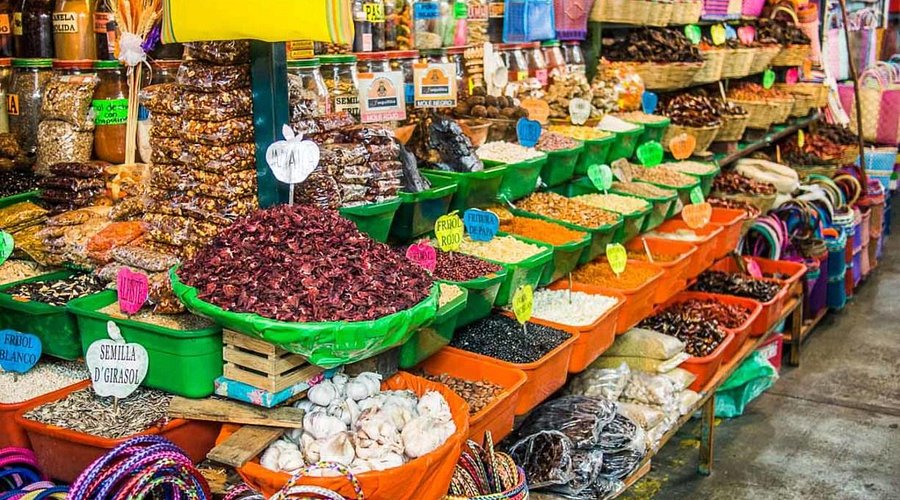








Join The Discussion