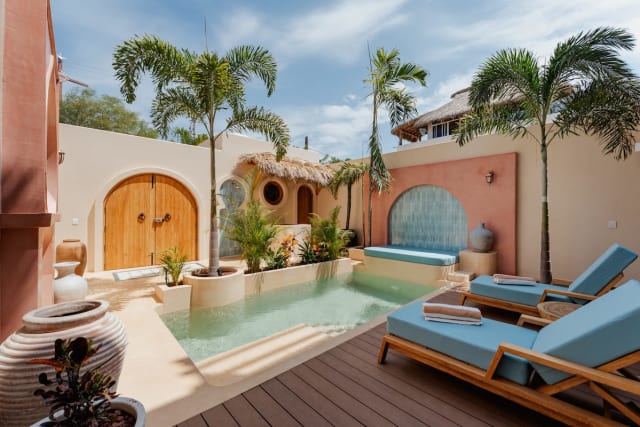
from$6,250 MXN/ night
Casa Punta Rosa: Rooftop & Sea View
location_onLa Punta
bed2 Bedroomsbathtub3 Bathroomsgroup6 Guests
View Propertyarrow_forward
Nothing of this exact type is listed right now — these are the closest stays available.
from$6,250 MXN/ night
location_onLa Punta
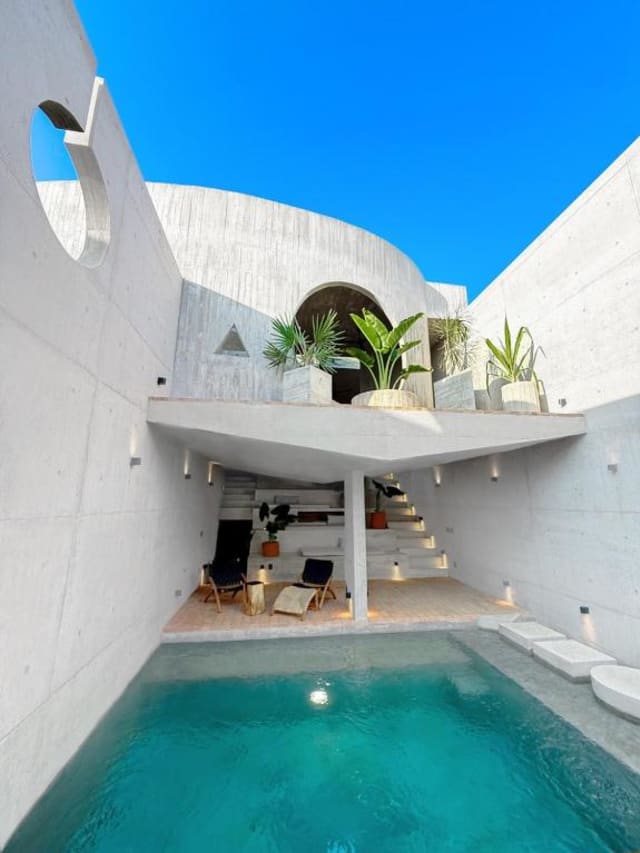
from$7,554 MXN/ night
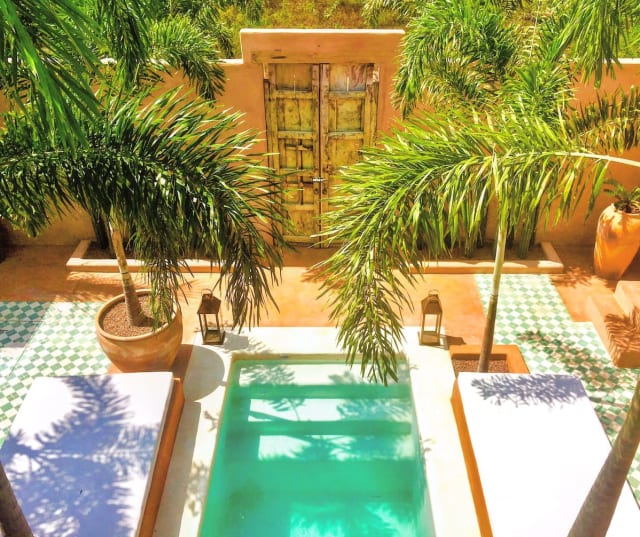
from$5,875 MXN/ night

from$1,250 MXN/ night
location_onLos Tamarindos

from$5,000 MXN/ night
location_onLa Punta
Showing 5 of 5 properties
From $1,250 to $7,554 MXN a night; a typical night is $5,875. 1 of 5 have a pool.
Where to start
 savingsBest value per guest
Casa Palma Surfer Room
Los Tamarindos
$625 per guest / night
$1,250 MXN / night · Sleeps 2 guests
 beach_accessSteps from the sand
Casa Zii
La Punta
500 m to Playa Zicatela
$7,554 MXN / night · Sleeps 4 guests
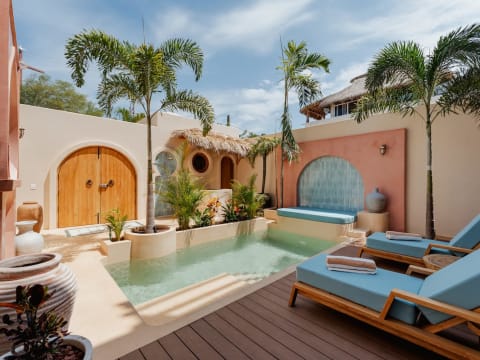 groupsSleeps the most
Casa Punta Rosa: Rooftop & Sea View
La Punta
Sleeps 6 guests
2 bd · 3 ba · $6,250 MXN / night
 sellBudget pick
Casa Ambar
La Punta
$5,000 MXN / night
Sleeps 4 guests · 2 bd · 2 ba
Price per night
$1,250 – $7,554MXN
What they have
Where they are
Side by side
Casa Punta Rosa: Rooftop & Sea View
La Punta
Sleeps 6 guests
2 bd · 3 ba
beach_access750 m to Playa ZicatelaSurf
Calm water: Playa Principal, 4.2 km
$6,250 MXN
$1,042 per guest
Casa Zii
La Punta*
Sleeps 4 guests
2 bd · 2 ba
beach_access500 m to Playa ZicatelaSurf
Calm water: Playa Principal, 3.9 km
$7,554 MXN
$1,888 per guest
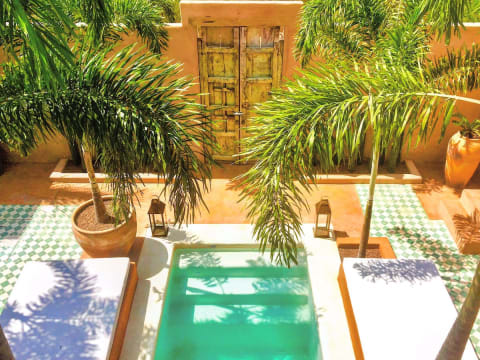
Palacio
La Punta*
Sleeps 4 guests
2 bd · 3 ba
beach_access600 m to Playa ZicatelaSurf
Calm water: Playa Principal, 3.5 km
$5,875 MXN
$1,469 per guest
Casa Palma Surfer Room
Los Tamarindos
Sleeps 2 guests
1 bd · 1 ba
beach_access50 m to Playa ZicatelaSurf
Calm water: Playa Principal, 2 km
$1,250 MXN
$625 per guest
Casa Ambar
La Punta
Sleeps 4 guests
2 bd · 2 ba
beach_access500 m to Playa ZicatelaSurf
Calm water: Playa Principal, 3.4 km
$5,000 MXN
$1,250 per guest
Beach distances are in a straight line to the nearest edge of the sand; the walk is longer. Prices are the base nightly rate before any seasonal change. Areas marked * are taken from the neighbouring properties.
schedule8 min readevent_availableUpdated October 2026
A bungalow in Puerto Escondido is a small, standalone building, usually one room plus a bathroom, sometimes a kitchenette and a terrace, set in a garden with other plants and often other bungalows around it. Many have a palapa roof of dried palm leaves; others are concrete with a slab or a tiled roof. What they share is the feeling of sleeping in your own little house rather than in a room inside someone else's building.
Our guide to bungalow rentals in Puerto Escondido covers the labels you will see, the neighborhoods and what to ask about price. This page deals with the part that guide only touches: what it is actually like to live in one for a week or a month. The roof, the garden, the shared grounds and the season you choose decide that far more than the photos do.
A bungalow suits people who like to hear the garden at night, do not mind a gecko on the wall and want a door that opens straight onto the outdoors. If you need sealed rooms, strong air conditioning and silence, a bungalow is the wrong format, and it is better to know that before you pay.
01
Two bungalows with identical photos can feel completely different depending on what is overhead. A palapa is a thatched roof of palm leaves on a timber frame, usually steep and high. A slab is a flat or sloped concrete roof, sometimes with a palapa added on top as shade. Here is how they behave on this coast:
| Roof | Heat | Rain and noise | Insects and dust | Air conditioning |
|---|---|---|---|---|
| Palapa only | Breathes well; hot air escapes through the thatch, so it stays cooler than you expect without AC | Rain is soft on the leaves; a well-kept palapa sheds water, an old one can drip in a hard storm | Small debris and the odd insect fall from the thatch; a mosquito net over the bed is standard | Rare, and inefficient when present, because the roof is not sealed |
| Concrete slab | Absorbs sun all day and releases it at night unless shaded or insulated | Watertight; heavy rain is loud but stays outside | Easier to seal with screens | Common and effective, since the room can be closed |
| Slab with palapa above | The palapa shades the concrete, so the room heats up far less | Watertight and quieter than bare concrete | Sealed room, insects stay under the thatch | Works well; often the most comfortable combination |
No roof is better in absolute terms. A palapa bungalow in February, with the doors open and a fan turning, is the classic Pacific coast stay. The same bungalow in a humid September week, with no AC, is a test of patience. Ask the host which roof you are getting and look for at least one photo of the ceiling.
02
A bungalow puts you inside a tropical garden, and the garden comes indoors a little. Expect these and you will enjoy the stay; ignore them and the first night can be a surprise:
None of this means a bungalow is dirty or neglected. It means the walls are thinner than in an apartment and the outdoors is closer, which is exactly why people choose one.
03
Few bungalows stand alone on their own plot. Most sit in a small compound of two to several units around a shared garden, sometimes with a shared pool, a communal kitchen or a palapa lounge, and often with the owner living on site. That arrangement has clear advantages: someone is there to fix the water pump, the grounds are gated, and you get a pool that you could not afford as a private feature. If a pool matters, compare the options on our page of rentals with a pool in Puerto Escondido.
The trade is privacy. Neighbors share the path to the gate, the pool hours and, with palapa roofs, quite a lot of sound. Before booking, look at a site plan or ask: how far apart are the bungalows, does any terrace face another, is there a quiet hour, and are pets or children of other guests likely? A compound where each bungalow faces its own patch of garden feels very different from a row of units facing a single pool.
Check also the practical details that a shared site changes: where you park, who has keys to the gate, whether there is a safe in the bungalow and whether the owner's dogs roam the garden at night.
04
Bungalows are the format most often marketed as eco-friendly, and some of them earn the word. In practice the label covers a mix of features, each with a small change in daily routine:
When a listing says eco, ask what it means in concrete terms. A bungalow with good shade, solar hot water and a garden of native plants is a genuinely lighter stay. For hotels that take the idea further, see our article on eco-friendly hotels in Puerto Escondido.
05
The bungalow is a dry-season format first. From about November to April the nights are mild, the garden is calm and the open doors work as designed. May is usually the hottest and most humid stretch before the rains, which is when a slab roof with AC earns its price. From June to October the rainy season turns gardens deep green and brings short, heavy storms, mostly in the afternoon or at night. A palapa sounds wonderful in the rain, but humidity gets into clothes and books, so ask whether the bungalow has a dehumidifier or at least good airflow.
For location, bungalows cluster where gardens are still possible. Around La Punta you find compounds a short walk from the surf break and the restaurants on the main street. In Rinconada and the streets above Carrizalillo they are quieter, closer to the swimmable coves. Inland lots, further from the beach, often have the largest gardens and the most generous spacing between units.
Bungalows also work well for a month or more, because the rhythm of a garden stay suits slow time. If that is your plan, look at our long-term rentals in Puerto Escondido, and compare the bungalow with the other formats in our villa vs apartment vs bungalow comparison.
Some do, many do not. Bungalows with a concrete roof can be sealed and usually have AC; palapa-only bungalows rely on fans and cross-ventilation because the thatch cannot hold cool air. If you are travelling in May or during the humid months from June to October, confirm AC in writing before booking.
A well-maintained palapa sheds rain very well, because the palm leaves are laid steeply and thickly. An old or thin one can drip in a strong storm. Ask the host when the roof was last re-thatched, and look for a ceiling photo: a tight, even layer of leaves is a good sign.
Yes, more than in a sealed apartment. Geckos, ants and mosquitoes are normal in a garden bungalow. Screens on every opening, a mosquito net over the bed and food kept in closed containers make the difference between a minor detail and a nuisance.
Often, yes. Many owners of bungalow compounds prefer longer stays outside the peak weeks around Christmas and Easter. Ask for the monthly price directly and confirm what it includes: electricity, gas, water delivery, internet and cleaning are sometimes billed separately on long stays.
It can be, with checks. A bungalow is usually one room, so parents and children sleep in the same space, and garden compounds may have an unfenced pool or steps without railings. A family bungalow with a separate sleeping area and a fenced pool works; a one-room palapa usually suits couples better.
Reasonably safe in a gated compound with the owner on site, which is the most common setup. Because palapa walls and windows are lighter than concrete, ask whether there is a safe or a lockable cupboard, and do not leave laptops or phones by an open window or on the terrace overnight.
Your question isn’t here?
Message us: we live here and answer ourselves, usually the same day.
Early access to new sanctuaries, local guides, and seasonal escapes on the Oaxacan coast.
No spam — only the coast. Unsubscribe anytime.