Retiring or Wintering in Puerto Escondido: A Practical Guide
A practical guide for anyone planning to winter or retire in Puerto Escondido: visas, health care, where to rent, a realistic monthly budget and how to test the move before you commit.
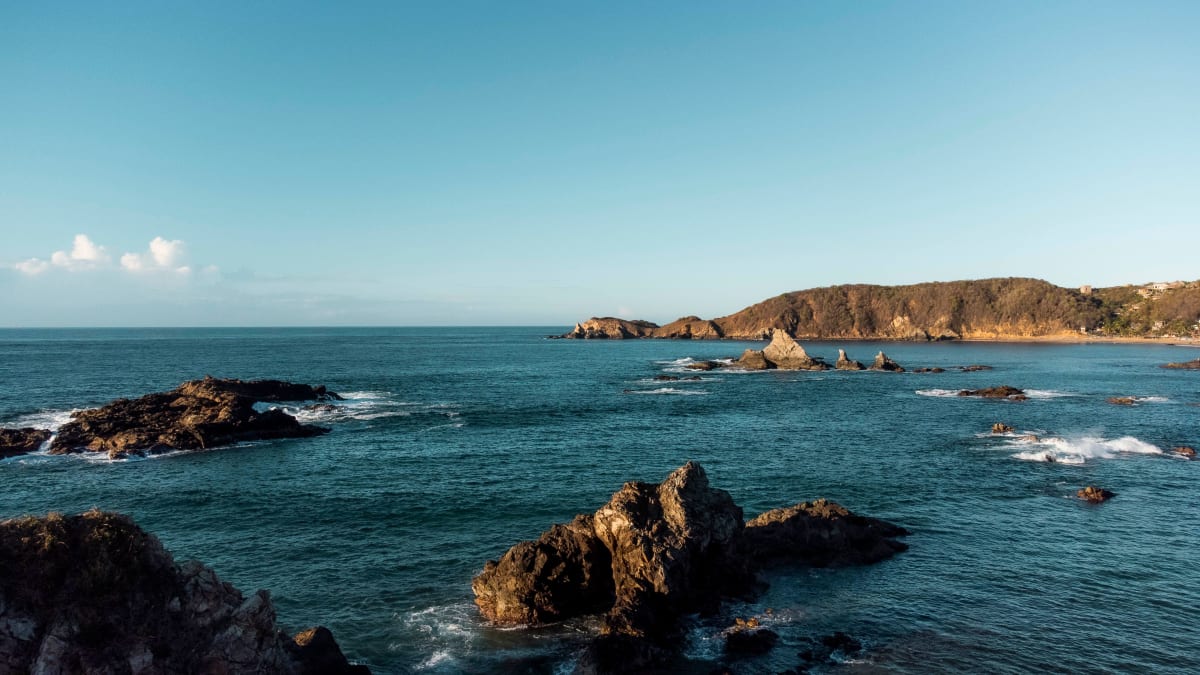
Every November the long-stay crowd starts to come back to Puerto Escondido, many of them to the same streets and the same rentals as the year before. Some people come to winter in Puerto Escondido for three or four months; a smaller group decides, after a few seasons, to retire in Puerto Escondido for good. This guide covers both: the paperwork that separates a long holiday from a new life, health care, which neighborhoods suit a slower pace, what a month really costs and how to test the whole idea with a rental before you sell anything back home.
Wintering or retiring: two different projects
Wintering is a long trip; retiring is a change of residence. The distinction decides your visa, your health cover, your housing and even your tax position, so it helps to be clear which one you are planning before you look at houses.
| Wintering (1–5 months) | Retiring (year-round or most of it) | |
|---|---|---|
| Immigration status | Tourist entry, up to 180 days at the officer’s discretion | Temporary or permanent residency, applied for at a Mexican consulate before you move |
| Housing | Furnished monthly rental, booked months ahead for December to March | Annual lease, often unfurnished, after at least one season in town |
| Health cover | Travel or international insurance; home plan rules on time abroad still apply | International plan, Mexican private insurance or IMSS voluntary enrollment |
| Season | Dry season, roughly November to April | All year, including the hot, humid rainy season |
| Main risk | Finding nothing good left for January | Moving before you have lived through a September |
Most people who end up retiring here started as winterers. That order is worth copying.
Visas and the paperwork that matters
For a winter: the tourist entry
Visitors from the US, Canada, the UK and the EU normally enter Mexico as tourists. The immigration officer decides how many days you get, up to a maximum of 180, so carry proof of your return flight and say clearly how long you are staying. A winter of four or five months fits inside that limit; a full year does not, and repeated “border runs” to reset the clock are not a plan the authorities look on kindly. Check the current rules with the Instituto Nacional de Migración before every trip.
For retirement: temporary or permanent residency
Retirees usually apply for temporary residency (renewable, up to four years) or, with a large enough pension, directly for permanent residency. The process starts at a Mexican consulate in your home country and is finished at an immigration office in Mexico within 30 days of arrival. You prove economic solvency with pension income or savings; the thresholds are tied to the Mexican minimum wage, change every year and are applied slightly differently by each consulate, so ask yours for the current figure rather than trusting an old forum post.
Money and banking
Card payments work in supermarkets and many restaurants, but markets, taxis, colectivos and most small businesses take cash only. Winterers usually live on a home debit card with low foreign fees; residents can open a Mexican bank account once they hold a residency card, which makes paying rent and utilities easier.
Health care for older travelers
Health care is the question that decides most retirement plans, and the honest answer is: good for everyday needs, limited for serious ones.
- Everyday care: Puerto Escondido has public hospitals, private clinics, laboratories, dentists and plenty of pharmacies. A private general consultation runs about MXN 400–800 (USD 22–43) and a basic lab panel MXN 500–1,200, according to our cost of living in Puerto Escondido guide.
- Specialist and emergency care: for surgery, cardiology or anything complex, residents go to Oaxaca City or Huatulco. Make sure your insurance includes medical evacuation.
- Prescriptions: bring a supply plus a letter listing each medicine by its generic name. Many common medicines are sold here, but brands and strengths differ.
Insurance options
US Medicare generally does not pay for care outside the US, and Canadian provincial plans limit how long you can be away each year while staying covered, so winterers need travel or international insurance. Residents have a further option: the IMSS voluntary health insurance for people outside the formal job market, which charges an annual fee by age and excludes some pre-existing conditions. Many retirees combine it with a private or international plan for serious events.
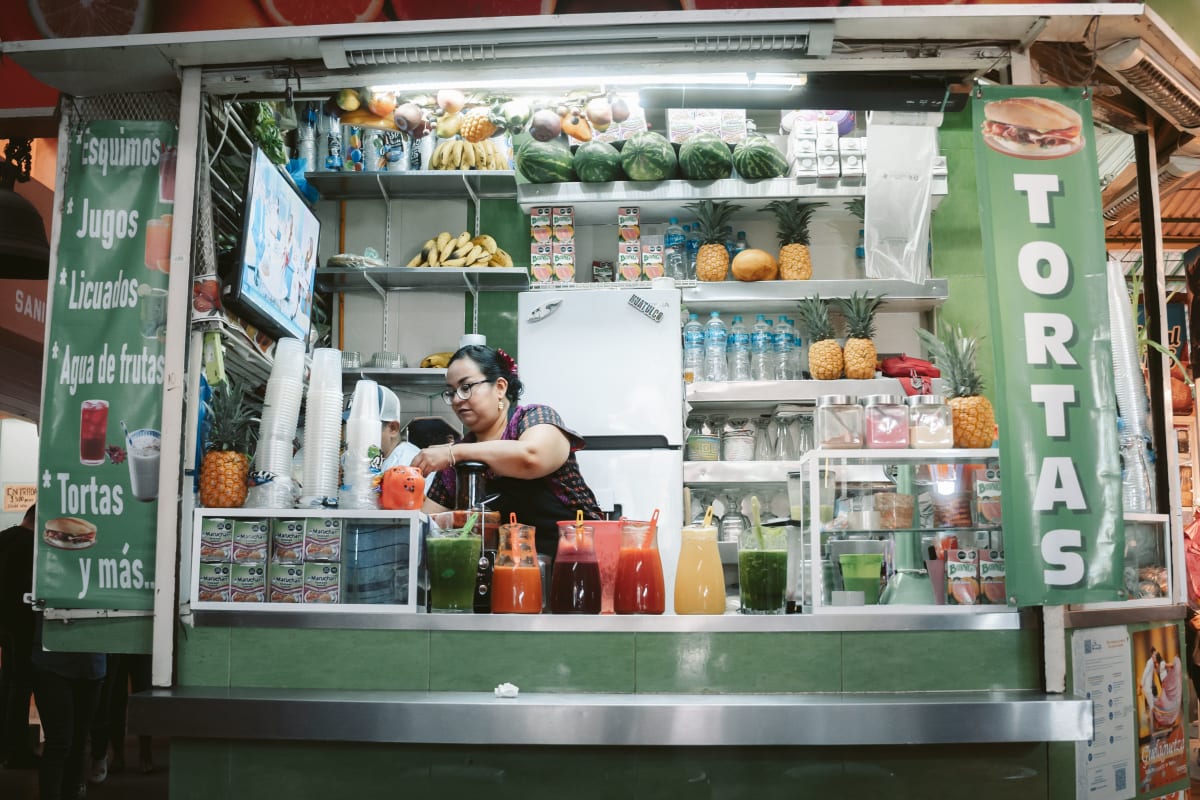
Where to live: neighborhoods for a slower pace
Puerto Escondido is a hilly town with sandy side streets, steep stairs down to several beaches and a surf scene that runs late at Zicatela. For a winter or a retirement, flat streets, calm nights and swimmable water nearby usually matter more than being in the middle of things.
Rinconada: the snowbird favorite
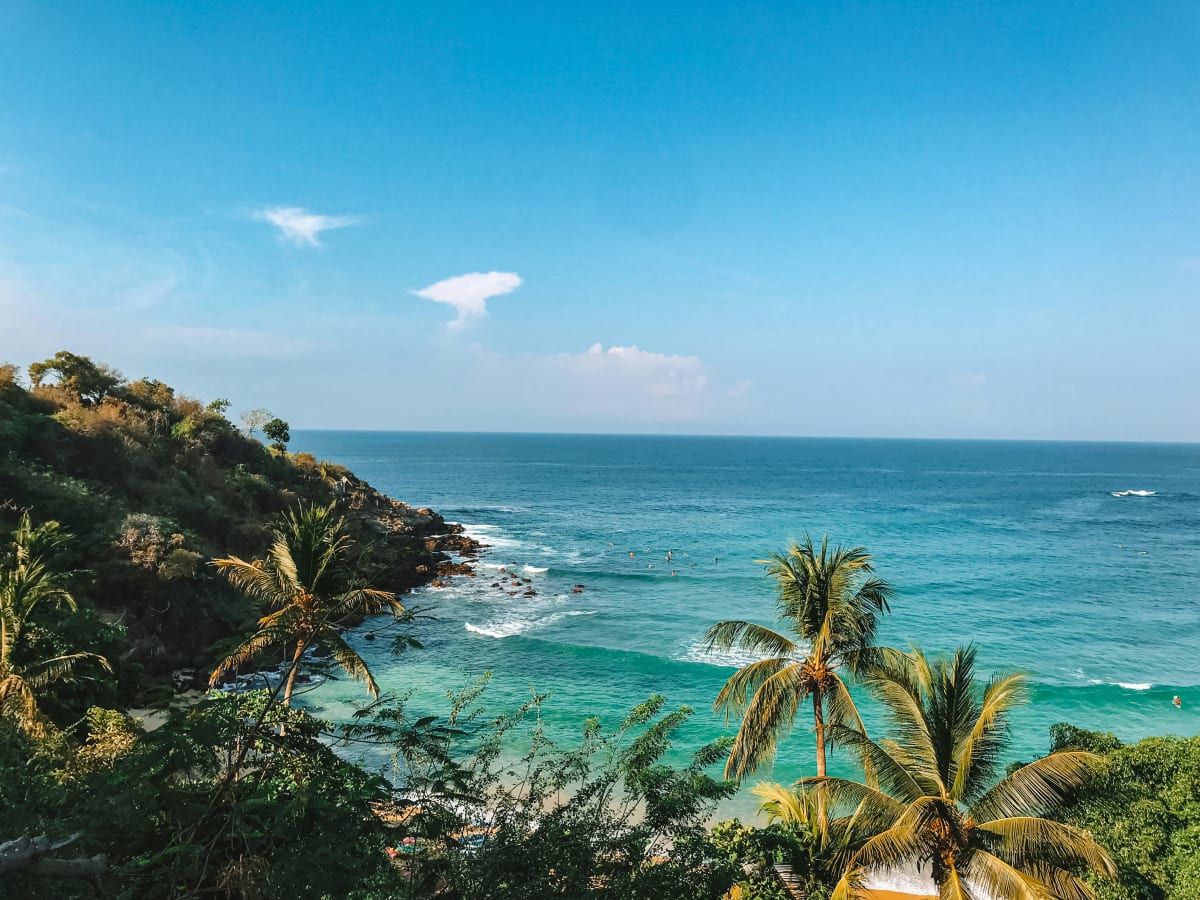
Rinconada is residential and quiet, with a main avenue of cafés, groceries, pharmacies and restaurants that you can walk. Carrizalillo and Puerto Angelito, two of the calmer swimming bays, are close, although Carrizalillo is reached by a long staircase. Monthly rents are higher than in town: roughly MXN 12,000–20,000 (USD 650–1,080) for a studio or one-bedroom and MXN 20,000–35,000 (USD 1,080–1,890) for a two-bedroom house.
Bacocho: pools and space, but you will need taxis
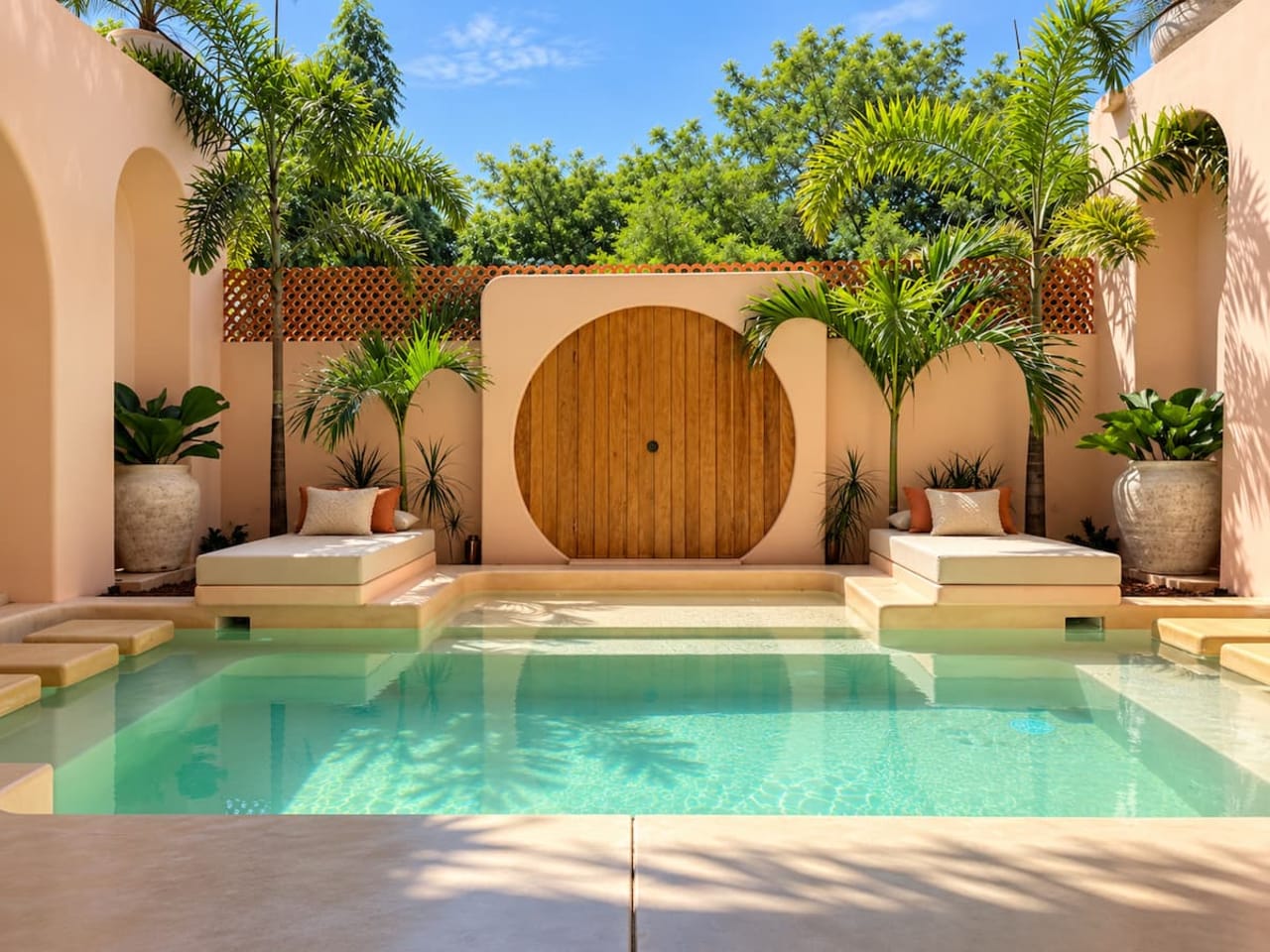
Bacocho has larger houses, gated streets and private pools, which many older guests appreciate in the hot months. It is spread out, so plan on taxis or a car. Its beach has strong currents and is for sunsets, not swimming.
La Punta and El Centro
La Punta suits active retirees who still surf or want a busy café scene; it is livelier and sandier underfoot. El Centro has the market, banks and the lowest rents, with more noise and traffic. Wherever you look, ask about the details that matter for a long stay: ground-floor bedrooms, air conditioning, water storage, a reliable internet line and how many steps there are between the street and the door.
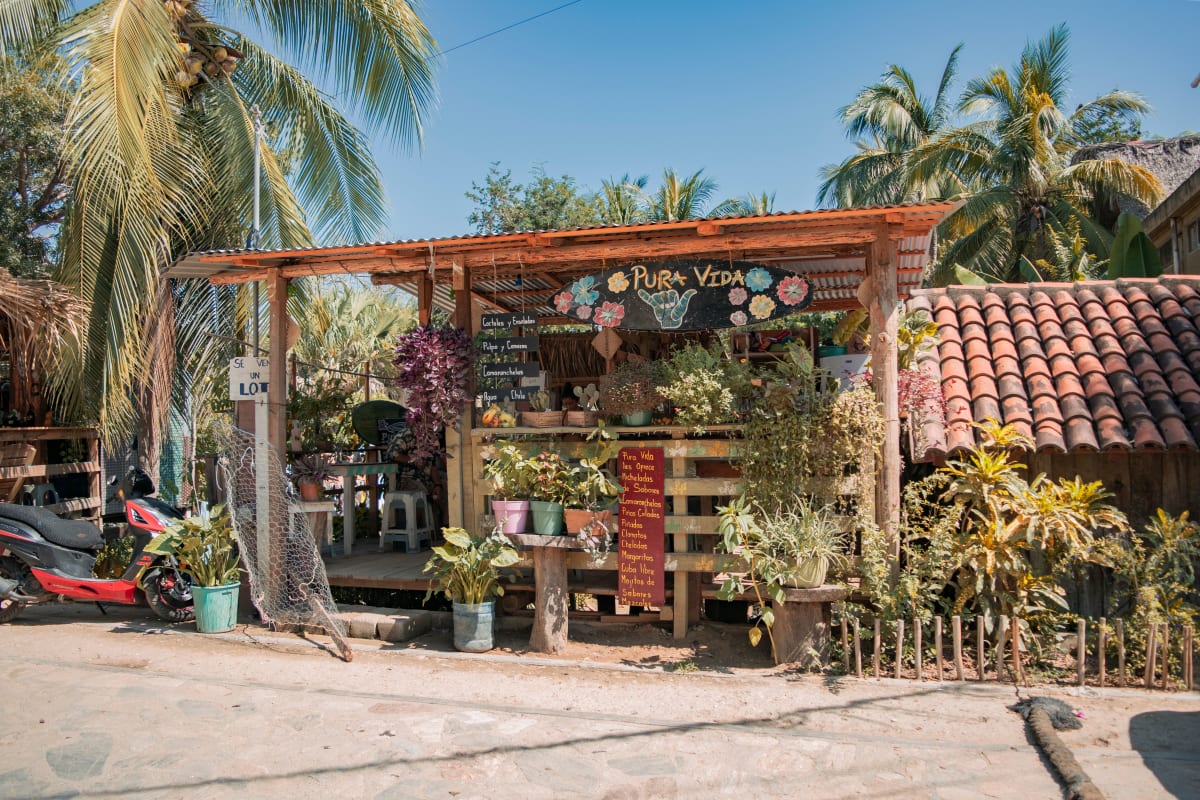
What a winter or a retired month costs
Rent is the number that moves; everything else is modest and predictable. Our cost of living guide puts a comfortable month for a couple in Rinconada at about MXN 51,600 (about USD 2,795), rent included. Retirees tend to spend less on coworking and transport and more on health care and eating out, so the total ends up similar.
- Winter premium: December to March is high season, so monthly rents sit at the top of each range and the best places are reserved months ahead.
- Annual lease discount: once you stay through the year, an annual lease is usually cheaper per month than any seasonal rental, but most owners want to meet you first.
- Electricity: modest in winter, but nightly air conditioning from April to October can add MXN 1,500–3,000 a month.
- Insurance: for older travelers this can be the second-largest line after rent. Get quotes before you budget.
Test it first: the monthly rental route
The cheapest mistake is the one you make in a rented house. Before you buy, sign a year-long lease or ship furniture, spend at least one winter here on a monthly rental, and ideally a few weeks of the rainy season as well. Our month-by-month weather guide shows the difference: dry, warm and breezy from November to April; hot, humid and stormy from June to October.
- Choose two neighborhoods and split the season between them, a month or two in each.
- Book furnished monthly rentals from our long-term rentals in Puerto Escondido, and ask for the monthly price, not 30 nights at the nightly rate.
- Live a normal week: doctor, bank, pharmacy, groceries, laundry. See how each feels without a car.
- Talk to people who stayed: the long-term community is easy to meet at breakfast spots, yoga classes and Spanish schools.
For a couple who want a pool and space for visiting family, a two-bedroom house such as Casa Ámbar in La Punta (two bedrooms, two bathrooms, private pool and Starlink internet) is the kind of base that works for a season. To compare everything available, browse all our accommodations and filter by your dates.
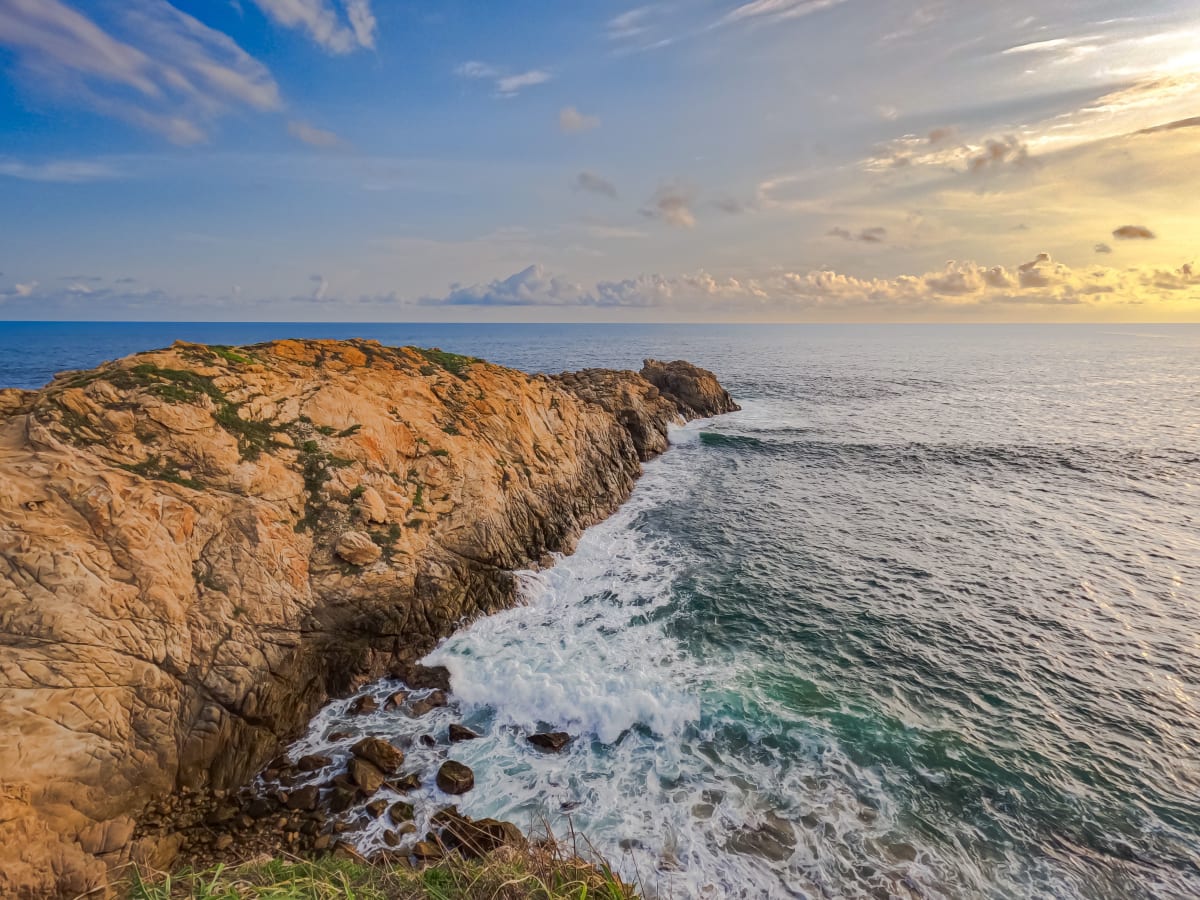
Safety and the ocean
The Pacific here is powerful. Never swim at Zicatela or Bacocho, whatever the conditions look like from the sand; use the sheltered bays such as Carrizalillo, Puerto Angelito and Playa Principal, and swim early when the water is calmest.
Frequently Asked Questions
Can I spend the whole winter in Puerto Escondido on a tourist entry?
Usually yes. Immigration can grant up to 180 days, which covers a winter of four or five months, but the officer decides the number. Carry your return ticket and confirm current rules with the Instituto Nacional de Migración.
What visa do I need to retire in Puerto Escondido?
Most retirees apply for temporary residency, or permanent residency if their pension is large enough, starting at a Mexican consulate at home. The required income or savings change every year, so ask the consulate for the current figure.
Is health care in Puerto Escondido good enough for retirees?
For everyday needs, yes: clinics, labs, dentists and pharmacies are easy to find and affordable. Specialist and emergency care often means a trip to Oaxaca City or Huatulco, so carry insurance that includes evacuation.
Which neighborhood is best for retirees?
Rinconada is the usual choice: quiet, walkable, with shops on the main avenue and calm swimming bays nearby. Bacocho suits those who want a pool and do not mind taxis; El Centro is the cheapest.
How much does a winter month cost for a couple?
A comfortable month in Rinconada runs about MXN 51,600 (about USD 2,795) including rent. Winter is high season, so rents sit at the top of the range. Insurance and flights are extra.
When should I book a winter rental?
As early as you can. The best monthly rentals for December to March are often reserved before the previous season ends, and owners give priority to guests who return year after year.

Puerto Escondido
Rent Your Property with Vacation Puerto Escondido
Join our platform for direct bookings, no commission fees, and secure transactions — find your perfect beachfront escape or list your property with verified hosts and transparent pricing.

Author
French, living in Puerto Escondido for 7 years. Founder of Puerto Escondido Tours & Travel and co-founder of Real Estate Puerto Escondido.
Published on