Visas and Length of Stay: The 180-Day Rule for Renters
How the 180-day tourist rule really works for anyone renting in Puerto Escondido: who sets your days, how to count them, how to match your lease to your stamp and what to do if you want to stay longer.
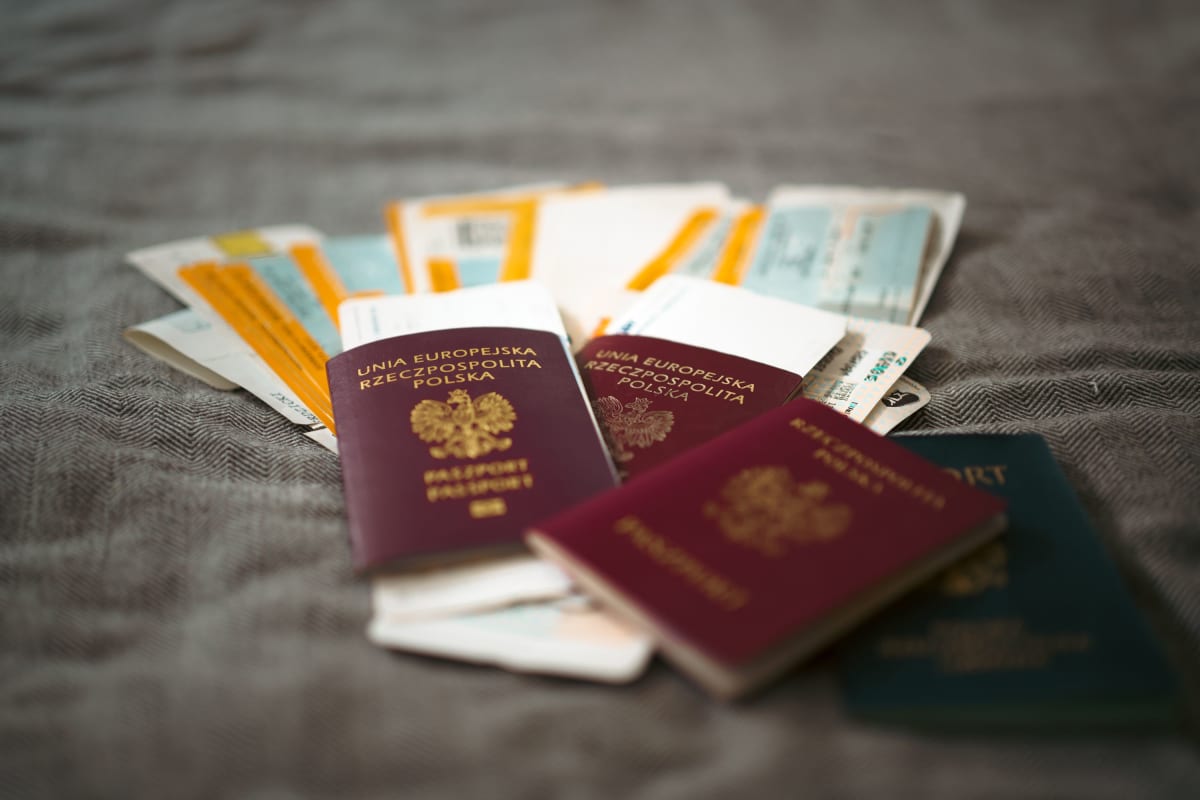
Most people who rent in Puerto Escondido for a month or a winter never think about immigration until the airport. That is a mistake, because visas and length of stay decide how long your rental can be, not the other way round. Visitors from the US, Canada, the UK and the EU can stay up to 180 days without a visa, but "up to" is the important part. This guide explains how the 180-day rule actually works, how to count your days, how to line up a lease with the stamp in your passport, and what to do if six months is not enough. It is practical information, not legal advice: rules change, so confirm the details with the Mexican authorities before you fly.
Visas and length of stay: what the 180-day rule really says
Mexico does not give tourists 180 days automatically; it allows up to 180 days per entry. The official status is visitante sin permiso para realizar actividades remuneradas, a visitor who may not take paid work in Mexico. It covers holidays, surf trips, family visits and the long winter stays many of our guests book.
Who can enter without a visa
Citizens of the US, Canada, the UK, the EU countries and many others enter visa-free. Travellers who hold a valid US, Canadian, UK, Japanese or Schengen visa or residence permit can usually enter on that document too. Other nationalities need a Mexican visa from a consulate before travel. Your passport must be valid for the whole stay, and many airlines want six months of validity left at check-in, so renew early if yours is close.
The officer writes the number, not you
At the immigration desk the officer decides how many days you get. At most airports you now receive a passport stamp with the number of days written by hand; at land borders and some entry points you still get a paper or digital Forma Migratoria Múltiple (FMM). If you say "two weeks", you may get two weeks. If you are staying five months, say so, and be ready to show a return or onward ticket, the address of your rental and that you can pay for the stay.

How to count your days
Your days run from the date of entry, continuously, whether you are in Puerto Escondido or travelling elsewhere in Mexico. An entry on 1 December with 180 days ends in late May: if the arrival day counts as day one, day 180 is 29 May. Put the end date in your calendar and book your flight out a few days before it, not on it.
Most international travellers clear immigration at their first Mexican airport, often Mexico City, Guadalajara or Oaxaca, then fly on to Puerto Escondido on a domestic flight. Your stamp comes from that first airport, so that is where you need to explain how long you are staying. Our guide to wintering in Puerto Escondido covers the rest of the paperwork for a season on the coast.
| Planned stay | Usual status | Rental to book | Main risk |
|---|---|---|---|
| Up to 30 days | Tourist (visitor) | Nightly, weekly or one monthly booking | Low |
| 1 to 3 months | Tourist; ask for the full stay | Monthly rental | Getting fewer days if you do not ask |
| 4 to 6 months | Tourist; days granted must cover the plan | Monthly or multi-month agreement ending before your stamp | A stamp shorter than your lease |
| More than 6 months | Temporary residency, started at a consulate | 6 to 12 month lease once you hold the card | Tourist status cannot be extended inside Mexico |

Matching your rental to your days
The safest order is: know your dates, book the rental, then let the stamp confirm it. The problems we see come from the opposite order, a lease signed for longer than the immigration status allows.
Keep the lease inside the stamp
- Book in months, not open-ended. For stays of one to six months, a monthly rental with a fixed end date is the cleanest option. Our long-term rentals in Puerto Escondido page lists homes that take monthly stays, with typical prices by neighborhood.
- Do not sign 12 months on a tourist entry. A year-long lease is only realistic once you have residency in progress.
- Ask about early exit. If your stamp comes back shorter than planned, a clause that lets you leave with notice protects your deposit. Our article on long-term rental agreements in Puerto Escondido explains what a good contract includes.
- Check the price break. Monthly rates are usually the deepest discount; the nightly vs weekly vs monthly break-even guide shows when they start to win.
What to carry at the airport
Keep these on your phone and on paper: the booking confirmation or rental agreement with the property address, your return or onward flight, and a recent bank statement or card you can point to. You may never be asked, but if an officer questions a five-month stay, a rental contract for five months answers the question in seconds.
Staying longer than 180 days: temporary residency
If you want more than six months in a row, the formal route is temporary residency (residente temporal). You cannot convert a tourist entry into residency from inside Mexico in the usual case, so the process starts before you travel.
How the process works
- Book an appointment at a Mexican consulate in your country of residence. The consulate network is run by the Secretaría de Relaciones Exteriores.
- Prove economic solvency with monthly income or savings. The thresholds are set as multiples of the Mexican minimum wage, change every year and differ slightly between consulates, so ask yours for the current figure.
- Enter Mexico with the visa in your passport and, within 30 days of arrival, finish the process at an office of the Instituto Nacional de Migración to receive your residency card.
The first card is usually valid for one year and can be renewed for up to four years in total, after which you can apply for permanent residency.
Renting as a resident
Residents are the people for whom a 6 or 12 month lease makes sense. You will need a Mexican address during the process, so having your rental arranged before the immigration appointment saves time. Quiet, walkable neighborhoods such as Rinconada suit families and long-stay residents, while El Centro offers the lowest rents and the market close by.

Overstays, border runs and remote work
Overstaying
If you stay past the days granted, you are expected to regularise before leaving: in practice that means paying a fine at an immigration office or at the airport, and it can delay your departure. The amount depends on the time overstayed. Avoid it by booking your exit flight inside your days.
Leaving and coming back
Some long-stay visitors leave Mexico near the end of their days and re-enter for a new stamp. There is no published rule against it, but each entry is the officer's decision, and repeated back-to-back entries can bring questions or fewer days. Treat it as a risk, not a plan, and do not sign a lease that depends on it.
Working remotely
Tourist status does not allow paid work in Mexico. Many visitors work remotely for employers or clients abroad, but the rules do not spell out that situation clearly. If remote work is the reason for a long stay, temporary residency is the formal option. Either way, check the current rules with the Instituto Nacional de Migración before you book.
Once your dates are clear, compare homes on our accommodations page or look at villas that accept monthly stays, such as Casa Amara in La Punta.
Frequently Asked Questions
Do I automatically get 180 days as a tourist in Mexico?
No. 180 days is the maximum per entry. The immigration officer decides how many days to grant, so state your full planned stay and carry proof of your departure and your rental address.
Can I extend my tourist stay while I am in Puerto Escondido?
In general, no. Tourist status cannot be extended from inside Mexico. If you need more time, you have to leave before your days run out, and for stays over six months the formal route is temporary residency, started at a Mexican consulate abroad.
How long a lease can I sign on a tourist entry?
Keep the lease inside the days on your stamp. For one to six months, a monthly rental with a fixed end date works best; a 12-month lease only makes sense once residency is in progress.
What happens if I overstay my days?
You are expected to regularise before leaving, which usually means paying a fine at an immigration office or the airport. The amount depends on how long you overstayed, and it can delay your flight.
Do days spent travelling elsewhere in Mexico count?
Yes. Your days run continuously from the date you entered Mexico, wherever you are in the country. Only leaving Mexico ends that entry.

Puerto Escondido
Rent Your Property with Vacation Puerto Escondido
Join our platform for direct bookings, no commission fees, and secure transactions — find your perfect beachfront escape or list your property with verified hosts and transparent pricing.

Author
French, living in Puerto Escondido for 7 years. Founder of Puerto Escondido Tours & Travel and co-founder of Real Estate Puerto Escondido.
Published on